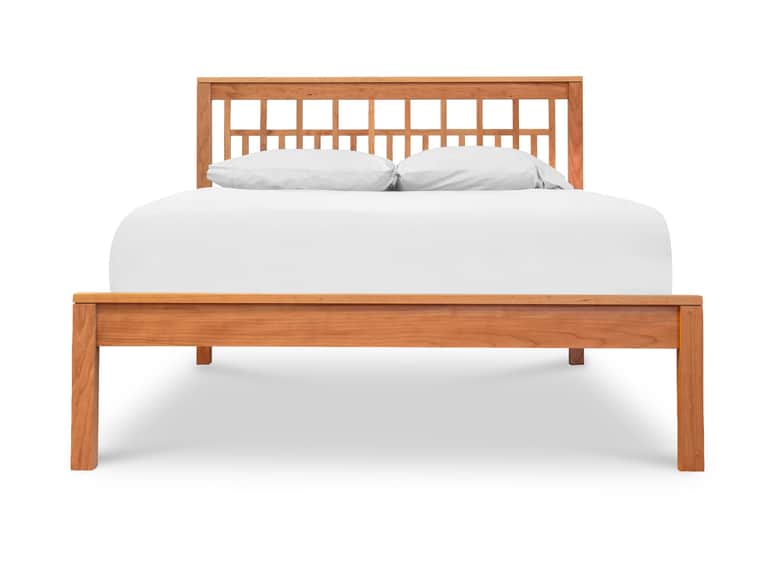
Carolina Upholstered Bed
Made in the USA, this maplewood bed blends durability with refined style, a solid foundation for comfort, easy-care stain-resistant fabric, and a tailored look that stays fresh through daily use.
This long-form guide navigates the quiet, essential world of natural latex mattresses. It compares the Dunlop and Talalay processes, unpacks firmness and support for different sleeping positions, and weighs ecological impact with transparent product features. Drawing on timeless voices across eras, this piece travels from the workshop to the bedroom, and from data sheets to bedtime rituals, offering a grounded framework for readers seeking comfort, durability, and integrity in sleep surfaces.
In the quiet hours of the night, the body seeks balance between support and pressure relief. Natural latex mattresses, particularly those crafted with Dunlop and Talalay processes, deliver a unique blend of resilience, breathability, and durability. The Dunlop process creates a denser core with a consistent feel that many sleepers associate with robust zoning and support. Talalay, by contrast, yields a more uniform cell structure and a lighter, often softer surface that can feel plush yet responsive. The choice between these two isn’t merely about hardness; it’s about the way a surface responds to temperature, pressure, and movement throughout a restless night.
From a design and health perspective, natural latex sits comfortably at the intersection of ecological responsibility and ergonomic benefit. It’s naturally resistant to dust mites and mold, and it’s generally free from synthetic foams and petrochemical derivatives. For readers who measure sleep quality in a whisper, latex can offer a steady, breathable surface that adapts to the body’s micro-movements without the off-gassing concerns that sometimes trouble other foams.
The two latex methods create distinct tactile experiences, each with its own set of advantages and compromises. In Dunlop latex, the production process results in a denser, more supportive core with a slightly more uniform feel as you move from the center toward the edges. For stomach sleepers or those who crave a firmer overall surface, Dunlop can offer reliable alignment and a sense of steadiness that anchors the spine.
Talalay latex is produced through a process that yields a more uniform cell structure, often translating into a lighter, plusher surface with generous contouring properties. Side sleepers or people who prefer a cushion-like top layer may find Talalay particularly appealing, because it can balance softness with resilient support. The trade-off is that some varieties of Talalay can feel less dense at the edges, which matters for edge support and sit-to-stand transitions.
Beyond feel, aging and care are pragmatic concerns. Dunlop cores tend to demonstrate longer-term durability in some configurations, while Talalay layers may offer more consistent performance across a broader range of temperatures. In both cases, natural latex resists compression set better than many synthetic foams, meaning your mattress tends to maintain its shape and supportive profile over years of use. When evaluating brands, look for certifications (GOTS for organic textiles, eco-labels for foam content, and company statements about sustainable sourcing) and transparent test data about moisture management and longevity.
A mattress’s firmness is best understood as a spectrum rather than a single label. With natural latex, you often encounter dual- or multi-layer configurations that invite customization. The goal is not simply to be “soft” or “hard” but to achieve a neutral spinal alignment that respects the natural curves of the neck and lower back. Here are practical guidelines drawn from ergonomic principles and sleep science literature:
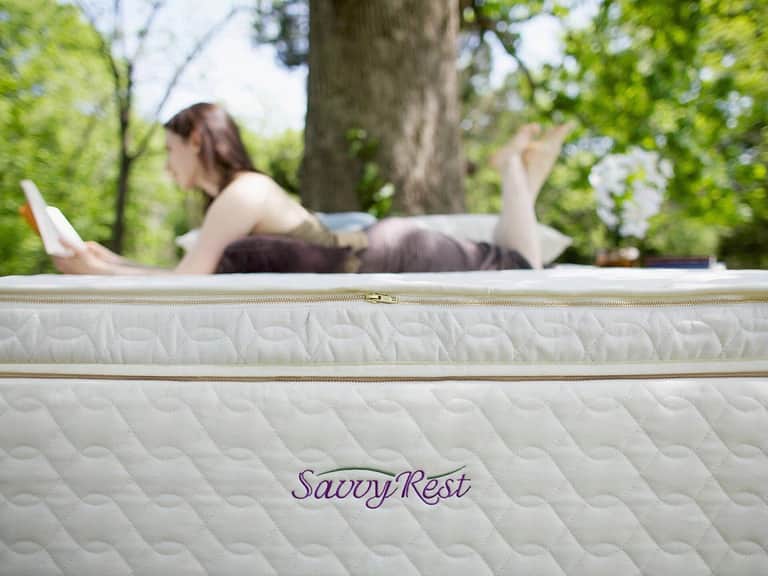
In practice, many latex mattresses—such as Savvy Rest Unity Pillowtop or similar modular builds—offer adjustable layers, a feature that aligns with the desire for a long-term, evolving sleep surface. For shoppers, look for the ability to choose core densities, topper materials, and a warranty that reflects the product’s intended longevity.
Natural latex itself is resilient, but care matters. Rotating the mattress regularly to promote even wear, using a breathable protector to shield from moisture and spills, and following washing instructions for any fabric components all contribute to a mattress that remains comfortable for years. Those who prioritize eco-friendliness may gravitate toward brands that emphasize organic latex, responsibly sourced wool or cotton, and transparent supply chains. A thoughtful purchase includes written warranties, clear return policies, and accessible customer support that can translate technical details into practical guidance.
To illuminate the landscape, consider the way credible brands articulate the blend of comfort, durability, and ecological impact. In this space, a few names recur in thoughtful, non-commercial reviews: Savvy Rest, Sleep and Beyond, and similar independent makers emphasize the integrity of materials, the ability to customize, and the clarity of care instructions. When evaluating, readers should seek:
In practice, this translates into a practical framework: ask about the exact composition of the top layer, confirm whether the bottom core is Dunlop or Talalay, verify the presence of any memory foams or buffers, and seek plain-language explanations of warranty terms and return options. The aim is to arrive at a mattress that behaves like a good conversational partner—unobtrusive, reliable, and able to adapt with you through changing life rhythms.
The following brief profiles foreground diverse eras, showing how the conversation around sleep surfaces has always been a blend of craft, science, and lived experience.
These voices—across mythic scholars, care-focused design thinkers, and modern designers—frame a larger conversation: sleep is not a single component but a constellation of choices. A mattress is not merely a surface; it is a participant in a nightly ritual, a hinge between technology, design, and wellbeing. The best latex mattress honors that triad by providing genuine support, a design-conscious touch, and a transparent, science-informed approach to its craft.
To illustrate the guide’s practical approach, consider a contemporary example that aligns with the themes discussed: the Carolina Upholstered Bed, a centerpiece that anchors a smart, sleep-friendly room. This piece demonstrates how a supportive bed frame blends with a natural latex-based sleeping surface to create a cohesive sleep ecosystem. It is crafted in the USA with a maplewood frame and dense foam padding, delivering durability, refined aesthetics, and a foundation that supports a healthy bedding lineup.
Product snapshot (illustrative example, not a paid endorsement): Carolina Upholstered Bed. Price: 5495.00 (main image and option gallery available). This bed frame offers a tactile contrast between the earthy grain of maplewood and the clean, upholstered lines that invite a restful mood. When paired with a latex mattress—whether Dunlop or Talalay—the frame helps to maintain edge stability and reduces motion transfer, enabling undisturbed sleep for partners sharing a bed.
Made to order in the USA with a maplewood frame and foam padding. Durable, refined construction with fabric options for a tailored centerpiece.
Dimensions and finishes vary by order. Uses standard mattress sizes.
The Carolina bed serves as a practical touchstone for a sleep-focused space: it anchors a room with a durable frame while leaving the mattress to do the heavy lifting of comfort and posture alignment. In the broader ecosystem—latex layers, breathable sheets, temperature-regulating toppers—the bed frame becomes the quiet stage on which the drama of sleep unfolds.